

Understanding Reiki: A Beginner's Guide to Healing Energy

Reiki is a healing practice that has gained popularity worldwide for its gentle, non-invasive approach to wellness. Many people seek alternatives to traditional medicine, and Reiki offers a way to support physical, emotional, and spiritual health through energy work. If you are curious about what Reiki is and how it works, this guide will help you understand its basics and what to expect from a session.

What Reiki Means and Where It Comes From
Reiki is a Japanese word that combines two concepts: rei, meaning universal or spiritual, and ki, meaning life energy. Together, Reiki translates to "universal life energy." This energy is believed to flow through all living things, supporting health and balance.
The practice was developed in the early 20th century by Mikao Usui, a Japanese Buddhist. Usui rediscovered the method of channeling healing energy through hands, which he called Reiki. Since then, Reiki has spread globally and evolved into various styles, but the core idea remains the same: using energy to promote healing.
How Reiki Works
Reiki practitioners act as conduits for energy. During a session, they place their hands lightly on or just above the recipient’s body in specific positions. The energy is said to flow through the practitioner to the person receiving treatment, helping to clear blockages and restore balance.
People often describe feeling warmth, tingling, or deep relaxation during Reiki. The process supports the body’s natural ability to heal itself, which can help with stress reduction, pain relief, and emotional calm.
What to Expect in a Reiki Session
Sessions usually last between 30 to 60 minutes.
You remain fully clothed and lie on a massage table or sit comfortably.
The practitioner places hands on or near areas such as the head, shoulders, stomach, and feet.
Many people feel relaxed or even fall asleep during treatment.
Some report emotional releases or a sense of clarity afterward.
Benefits of Reiki
While Reiki is not a replacement for medical treatment, many people find it helpful as a complementary therapy. Research and anecdotal evidence suggest Reiki may:
Reduce stress and anxiety
Help manage pain
Improve sleep quality
Support emotional healing
Enhance overall well-being
For example, a study published in the Journal of Alternative and Complementary Medicine found that patients receiving Reiki experienced lower pain levels and less anxiety after surgery compared to those who did not receive Reiki.
Reiki and Energy Centers
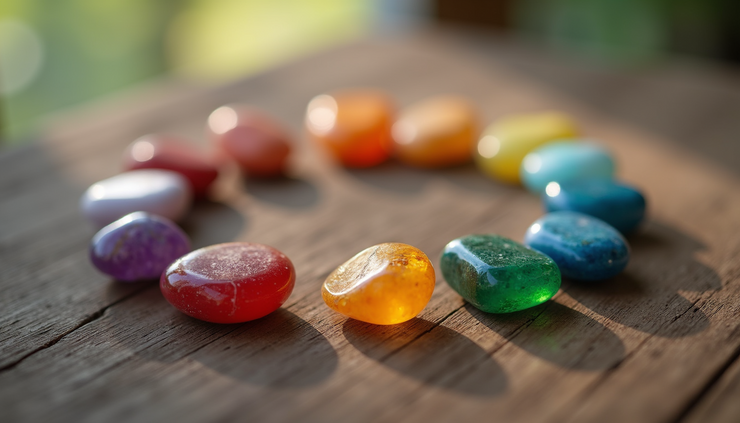
Reiki often involves working with the body’s energy centers, known as chakras. These are points along the spine and body that correspond to different physical and emotional functions. Reiki practitioners focus on these areas to help balance energy flow.
Here are the seven main chakras Reiki targets:
Root chakra (base of spine) – grounding and security
Sacral chakra (lower abdomen) – creativity and emotions
Solar plexus chakra (upper abdomen) – confidence and willpower
Heart chakra (center of chest) – love and compassion
Throat chakra (throat) – communication and truth
Third eye chakra (forehead) – intuition and insight
Crown chakra (top of head) – spiritual connection
Balancing these chakras through Reiki may support healing on multiple levels.
How to Find a Reiki Practitioner
If you want to try Reiki, look for a certified practitioner with good reviews or recommendations. Many practitioners offer an initial consultation to explain the process and answer questions.
Here are some tips for choosing a Reiki practitioner:
Check their training and certification
Ask about their experience with your specific concerns
Read client testimonials
Ensure you feel comfortable and safe with them
You can find practitioners through wellness centers, holistic health clinics, or online directories.
Reiki for Self-Care
Reiki is not only something you receive from others. Many people learn Reiki to practice on themselves. Self-Reiki involves using the same hand positions to channel healing energy inward. This can be a powerful tool for daily stress relief and maintaining balance.
Learning Reiki usually involves attending workshops or courses led by experienced teachers. These courses teach the history, techniques, and how to connect with Reiki energy.
What Reiki Is Not
It is important to understand what Reiki does not do:
Reiki does not diagnose or treat medical conditions directly.
It is not a substitute for professional medical care.
Reiki does not involve religious beliefs or rituals.
It does not require special powers or psychic abilities.
Reiki is a supportive practice that works alongside other health approaches.
Final Thoughts on Reiki
Reiki offers a gentle way to support your body and mind through energy healing. Whether you seek relief from stress, pain, or emotional challenges, Reiki can be a useful addition to your wellness routine. Exploring Reiki with an open mind and realistic expectations can help you discover its benefits for yourself.
If you feel drawn to try Reiki, consider scheduling a session or learning self-Reiki techniques. This simple practice may bring calm and balance to your life in a natural, non-invasive way.
Comments